Die Reddit-Beiträge, die die Geschichte erzählen
Beim Durchscrollen der Subreddits r/Crystals und r/Gemstones stößt man immer wieder auf dieselben Beschwerden. Ein Käufer postet ein Foto seines neuen „Obsidian“-Schädels und bittet die Community, seine Vermutung zu bestätigen. Die Kommentare lassen nicht lange auf sich warten: runde Bläschen, falscher Glanz, zu hell - gefälscht.
Ein Reddit-Nutzer beschrieb, wie er ein gefälschtes Stück in der Hand hielt, das sich anfühlte „unheimlich warm und leicht“, während das Original die „dichte, kühle Schwere“ aufwies, die für echtes Silikatglas charakteristisch ist.Ein anderer bemerkte, dass eine 5-Dollar-Perle von einem Marktstand unter einer Lupe „perfekte, runde, eingeschlossene Gasbläschen“ aufwies – den Fingerabdruck von industriell hergestelltem Glas..
Das Problem ist weit verbreitet. Und es verschärft sich mit steigender Nachfrage.
Der Marktkontext
Die globale Obsidian Der Rohmarkt wurde auf folgende Werte geschätzt: 83,15 Millionen US-Dollar im Jahr 2025 und voraussichtlich 105 Millionen US-Dollar bis 2032, wachsend bei einem 3,3 % CAGRDas Preisspektrum ist extrem polarisiert.Schwarzer Obsidian der minderen Qualität wird tonnenweise zu minimalen Preisen gehandelt, während die hochwertigen Sorten Rainbow und Fire als einzige weltweite Vorkommen aufgrund ihrer Seltenheit hohe Aufschläge erzielen..
Diese Preisspanne schafft einen enormen Anreiz für Betrug. Imitierter Obsidian – schwarzes Glas, das in Öfen hergestellt wird – kann zu einem Bruchteil der Kosten von natürlichem Vulkanglas produziert und zu überhöhten Preisen an ahnungslose Käufer verkauft werden..
So erkennen Sie den Unterschied.
Fünf körperliche Tests
Test 1: Der Blasen-Check (Der zuverlässigste)
Was zu tun: Verwenden Sie eine 10-fache Lupe oder das Makroobjektiv Ihres Smartphones. Untersuchen Sie den Stein genau, insbesondere an Kanten und polierten Oberflächen.
Worauf Sie achten sollten: Natürlich Obsidian Es weist keine perfekt runden Blasen auf. Es kann winzige, nadelförmige Kristallite (Cristobalit) oder feine Fließbänder enthalten – Wirbel, die wie gefrorener Rauch aussehen.Synthetisches Glas hingegen fängt ein perfekt runde, kugelförmige Gasblasen während des Abkühlprozesses.
Warum das funktioniert: Die Abkühlungsbedingungen sind völlig unterschiedlich. Natürlicher Obsidian entsteht, wenn Lava an der Luft schnell abkühlt. Fabrikglas hingegen wird in Formen gegossen, wobei Luft eingeschlossen wird und so vorhersehbare Kugelformen entstehen.
Was die Fabrik weiß: Wir lehnen Rohmaterialien mit übermäßigen Einschlüssen ab. Wir wissen aber auch, dass das völlige Fehlen jeglicher innerer Strukturen – keine Blasen, keine Fließbänder, nichts – ein Warnsignal ist.
Test 2: Der Lichtdurchlässigkeitstest
Was zu tun: Leuchten Sie mit einer starken Taschenlampe durch die dünnste Kante des Werkstücks.
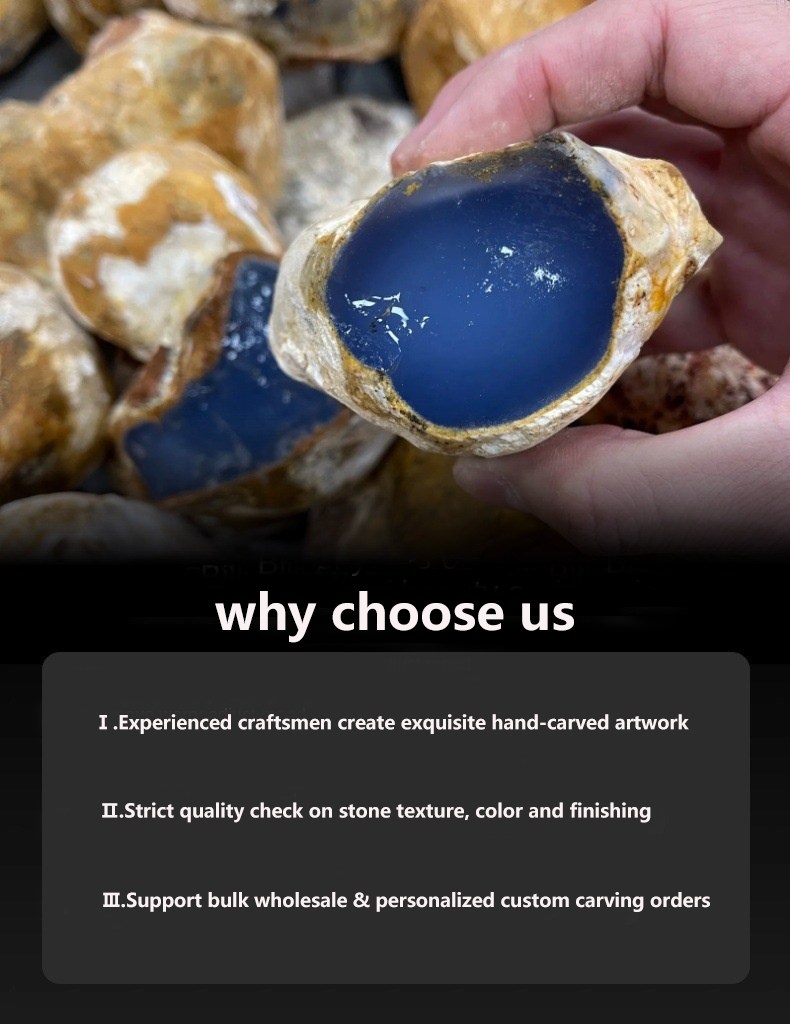
Worauf Sie achten sollten: Selbst „schwarzer“ Obsidian lässt an dünnen Kanten Licht durch und erscheint durchscheinend braun oder grauWenn der Stein völlig undurchsichtig ist – also überhaupt kein Licht hindurchdringt – handelt es sich wahrscheinlich nicht um Obsidian..
Die akademische Methode: Eine in der Zeitschrift für Geowissenschaften Sie stellten fest, dass die Farbe des durchgelassenen Lichts, wenn es eine Probe durchdringt, Aufschluss über das Material gibt.Wenn sich das Licht blau, violett oder rot färbt, handelt es sich bei der Probe um schwarzes GlasWenn sich das Licht im Wesentlichen nicht verändert, ist die Probe wahrscheinlich Obsidian.
Warum das funktioniert: Natürlicher Obsidian enthält Spuren von Eisen und anderen Elementen, die ihm eine warme, bräunlich-graue Transparenz verleihen. Industriell hergestelltes Glas verwendet verschiedene Farbstoffe, die das durchgelassene Licht in kühlere oder lebendigere Farbtöne verschieben.
Test 3: Der Härtetest
Was zu tun: Versuchen Sie, den Stein mit einem Stahlmesser oder einem Stück Fensterglas zu ritzen. Alternativ können Sie versuchen, ein Stück Glas mit dem Obsidian zu ritzen.
Worauf Sie achten sollten: Obsidianpreise 5–5,5 auf der Mohs-SkalaEs wird Fensterglas zerkratzen (was weicher ist, etwa 5), aber es wird sein von Quarz zerkratzt (Härte 7).
Warum das funktioniert: Sowohl natürlicher Obsidian als auch Industrieglas sind technisch gesehen Glas. Ihre Härtebereiche überschneiden sich. Ist das Stück jedoch deutlich weicher (leicht mit einem Stahlmesser zu zerkratzen) oder härter (kratzfest), handelt es sich wahrscheinlich um ein ganz anderes Material.
Test 4: Der Dichte-/Gewichtstest
Was zu tun: Halten Sie das Stück in der Hand. Vergleichen Sie sein Gewicht mit einem anderen Stein ähnlicher Größe.
Worauf Sie achten sollten: Obsidian hat eine spezifische Dichte von ungefähr 2,35–2,6Es fühlt sich an dicht und fest — schwerer als es aussiehtKunststoff- und Harzimitationen fühlen sich spürbar leichter an.
Warum das funktioniert: Glasimitationen können eine ähnliche Dichte wie Obsidian aufweisen – beides sind Silikatmaterialien. Fälschungen aus Harz und Kunststoff sind jedoch deutlich leichter, und manche Glasschlacken weisen eine merklich geringere Dichte auf. Der Gewichtstest sollte am besten in Kombination mit anderen Methoden angewendet werden.
Test 5: Der Bruchtest
Was zu tun: Untersuchen Sie das Werkstück auf abgebrochene oder abgesplitterte Kanten. Ist das Werkstück unbeschädigt, betrachten Sie den Sockel oder sonstige unfertige Oberflächen.
Worauf Sie achten sollten: Obsidian bricht mit Muschelbruch — glatte, geschwungene, muschelartige Oberflächen mit rasiermesserscharfe KantenDas ist das Kennzeichen von Glas.
Warum das funktioniert: Sowohl natürliches als auch synthetisches Glas bricht muschelförmig. geformt Glasstücke weisen oft überall glatte, gleichmäßige Oberflächen auf, da sie nie geschnitten oder zerbrochen werden. Wenn ein Stück hat Formnähte oder perfekt gleichmäßigen Kanten ohne natürliche Bruchstellen, es wurde gegossen, nicht von der Natur geformt.
Drei Sichtprüfungen
Prüfung 1: Glanz
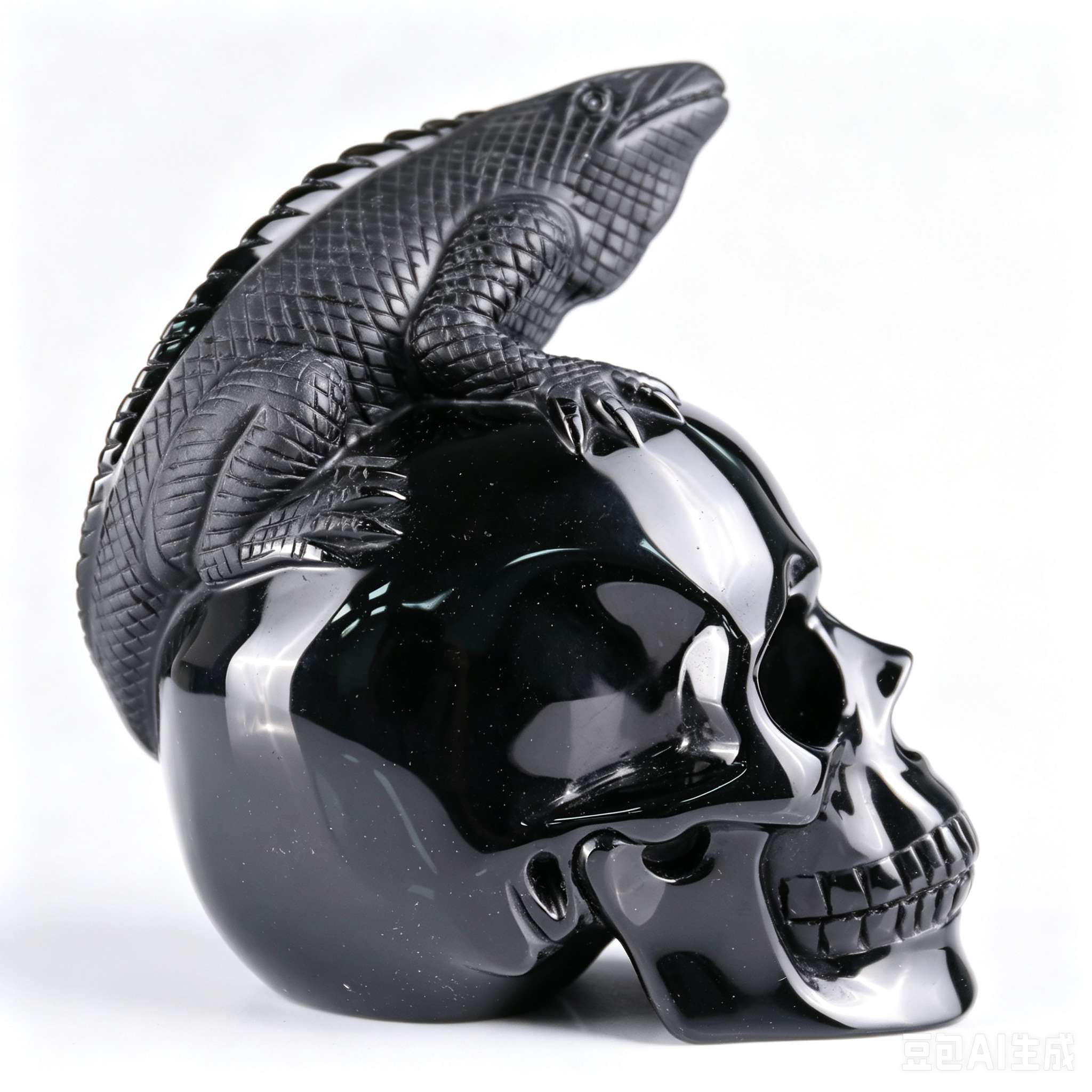
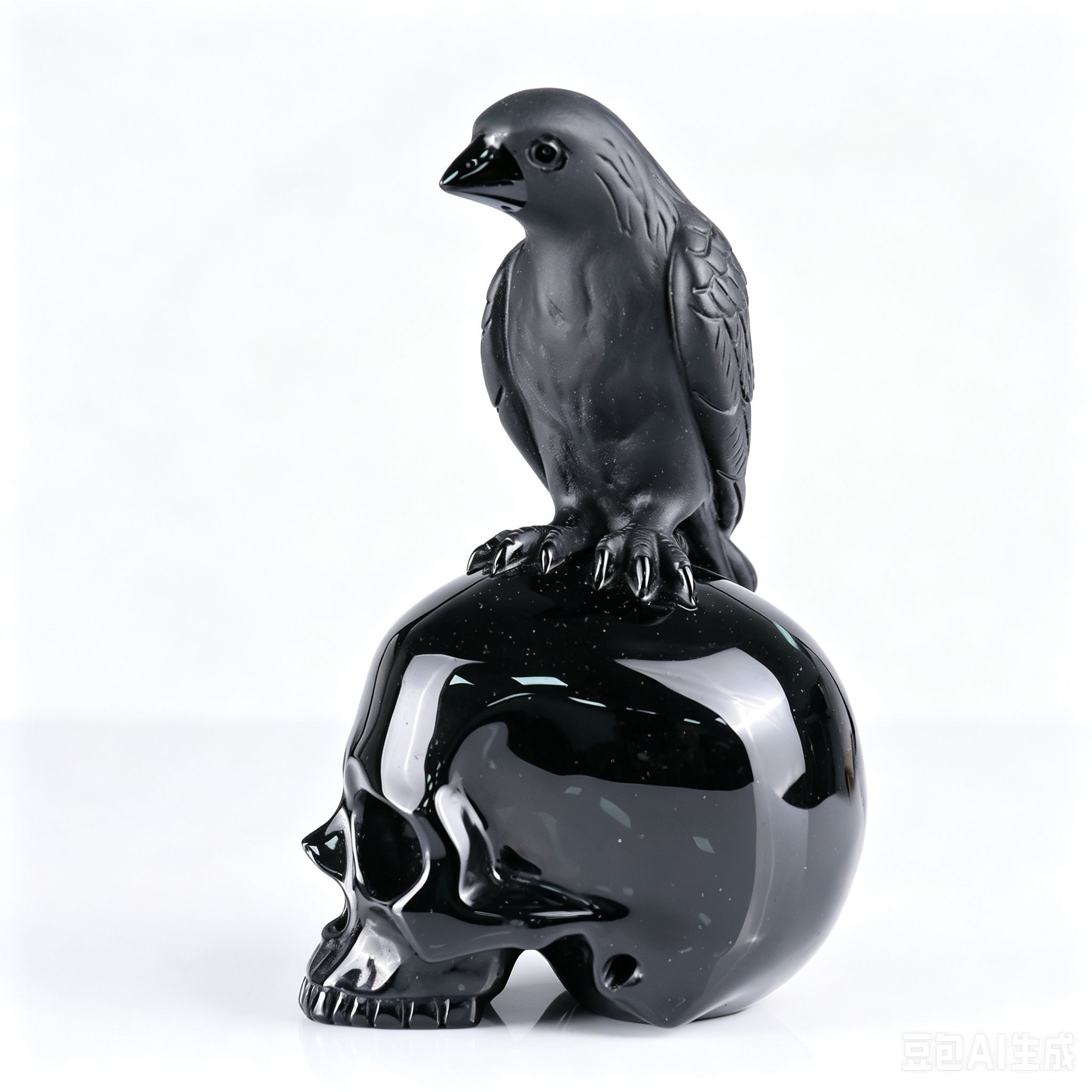
Worauf Sie achten sollten: Obsidian hat ein heller, glasartiger GlanzPolierter Obsidian kann spiegelähnlich sein.Aber wenn der Glanz aussieht zu Eine einheitliche Lackierung – wie Autolack im Gegensatz zu natürlichem Glas – ist ein Warnsignal.
Prüfung 2: Farbauthentizität
Worauf Sie achten sollten: Echter Obsidian ist schwarz, braun, mahagonifarben oder glänzend gebändert — höchstens durchscheinend rauchgrauWenn Sie „Obsidian“ in leuchtendem Blau, Grün oder klaren Bonbonfarben sehen, handelt es sich um kein natürlicher ObsidianDas sind industriell gefertigte Brillen, die so gefärbt wurden, dass sie etwas imitieren, was sie nicht sind.
Prüfpunkt 3: Oberflächendetails
Worauf Sie achten sollten: Untersuchen Sie die Oberfläche auf Formnähte — schwache Linien, wo zwei Hälften einer Gussform zusammenkamenNatürlicher Obsidian weist keine Formnähte auf. Er hat auch keine grünlichen Ränder und keine perfekt gleichmäßige Farbverteilung über das gesamte Stück..
Der eine Tisch, den Sie brauchen
Fazit
Der globale Markt für schwarzen Obsidian wächst – von 83 Millionen US-Dollar im Jahr 2025 auf über 100 Millionen US-Dollar bis 2032.Doch dieses Wachstum zieht auch Betrüger an. Fabrikgefertigtes Glas ist billig herzustellen und kann von Laien leicht als natürlicher Obsidian ausgegeben werden..
Die gute Nachricht? Man braucht kein Labor, um die meisten Fälschungen zu erkennen. Eine 10-fache Lupe, eine starke Taschenlampe und ein paar Sekunden Aufmerksamkeit genügen in der Regel.
Wenn Sie im Großhandel einkaufen, bestehen Sie darauf Videoverifizierung des tatsächlichen BestandsLassen Sie sich die Stücke bei hellem Licht zeigen. Verlangen Sie Fotos der Kanten. Und wenn ein Lieferant Ihnen die Details vor der Bezahlung nicht zeigt, ist das an sich schon ein Warnsignal.


 English
 Français
 عربي
عربي Deutsch